


PRODUCT CENTER
CONTACT US
If you are interested in cooperation, please contact us immediately, we will give you feedback as soon as possible!
+8615315550509
Mobile
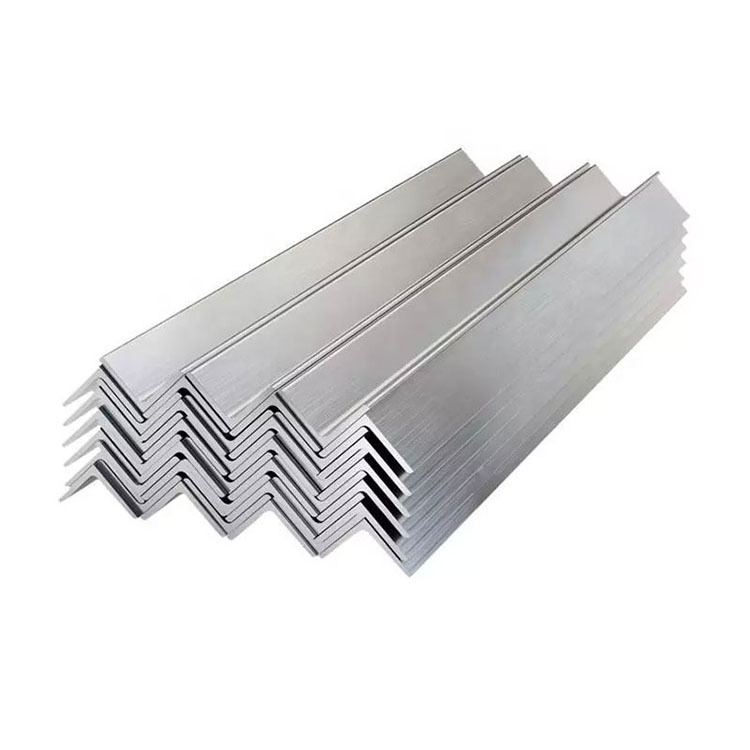
Steel angles are used for various purposes in a number of industries. Framing is one of the most common uses for steel angles, but steel angles are also used for brackets, trim, reinforcements, and many other uses. The larger the steel angle, the more weight and stress it can bear.
VIEW MORE +
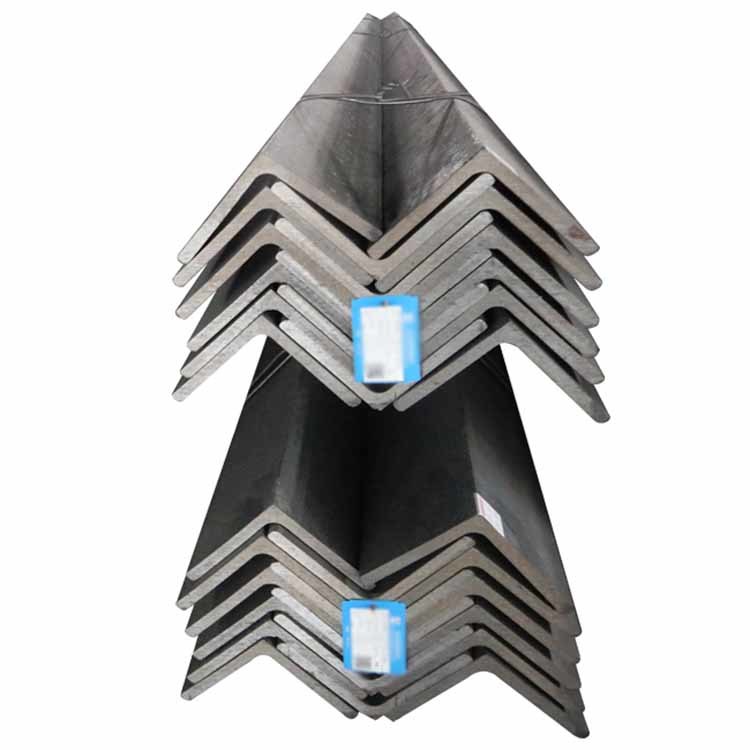
SS400 Carbon Steel Angle Steel
Steel Angles are the most basic type of roll-formed steel. They are formed by bending a single angle in a piece of steel. Angle Steel is ‘L’ shaped; the most common type of Steel Angles are at a 90 degree angle. The legs of the “L” can be equal or unequal in length.
VIEW MORE +
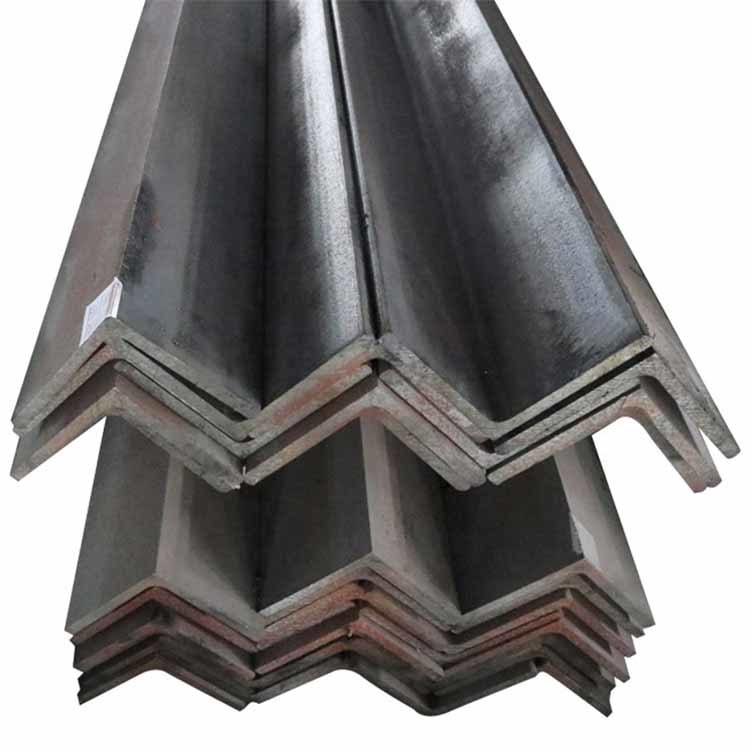
Angle steel is a carbon structural steel used in construction. It is a simple cross-section steel material. It is mainly used for metal components and factory building frames.
VIEW MORE +
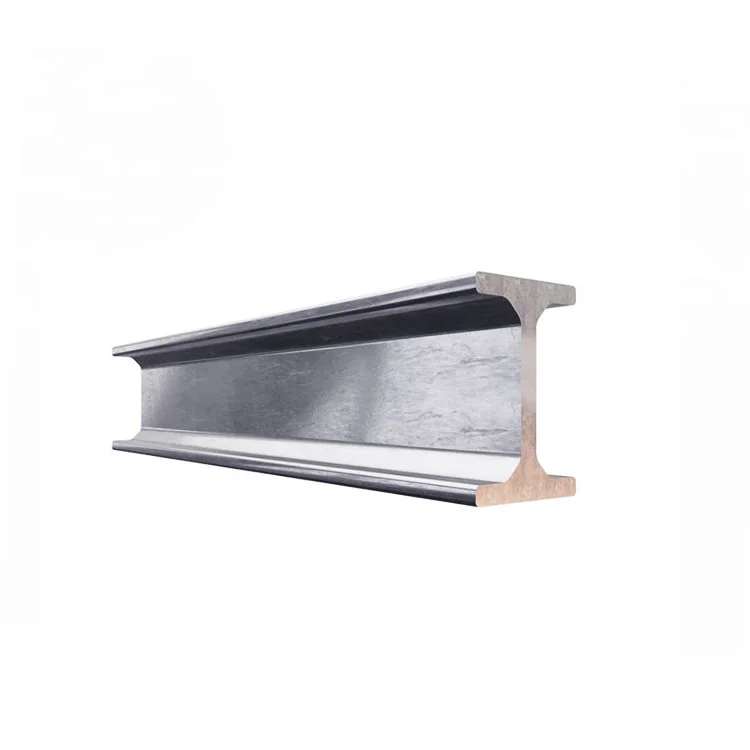
Stainless steel I-beam, also called steel beam, is a long steel material with an I-shaped cross-section. The flange of the I-beam gradually becomes thinner from the root to the edge and has a certain angle.
VIEW MORE +
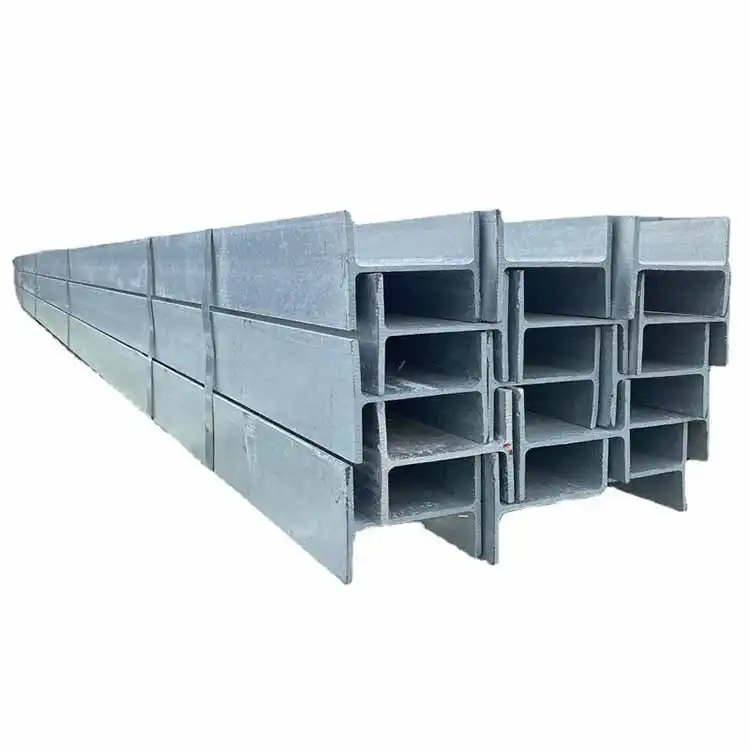
Galvanized I-beam refers to steel that has undergone a hot-dip galvanizing process to form a layer of zinc on the surface of ordinary I-beam. It has a wide range of uses and can be used in building structures, bridge construction, power towers, machinery manufacturing, etc.
VIEW MORE +

Hot-dip galvanized I-beam is to immerse the rust-removed I-beam into molten zinc liquid at about 500°C to attach a zinc layer to the surface of the I-beam for anti-corrosion purposes. It is suitable for various strong acid, alkali mist, etc. In highly corrosive environment.
VIEW MORE +
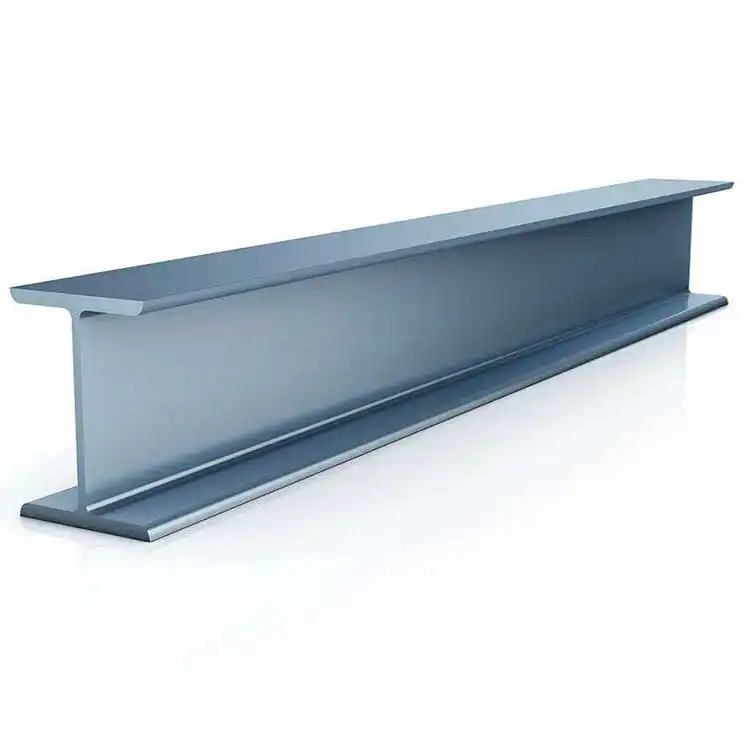
I-beams are generally used in bridges, crane tracks, beams and other places with high shear stress. Widely used in hardware products, medical machinery, food machinery, ships, automobiles, doors and windows, furniture, large machinery, etc.
VIEW MORE +
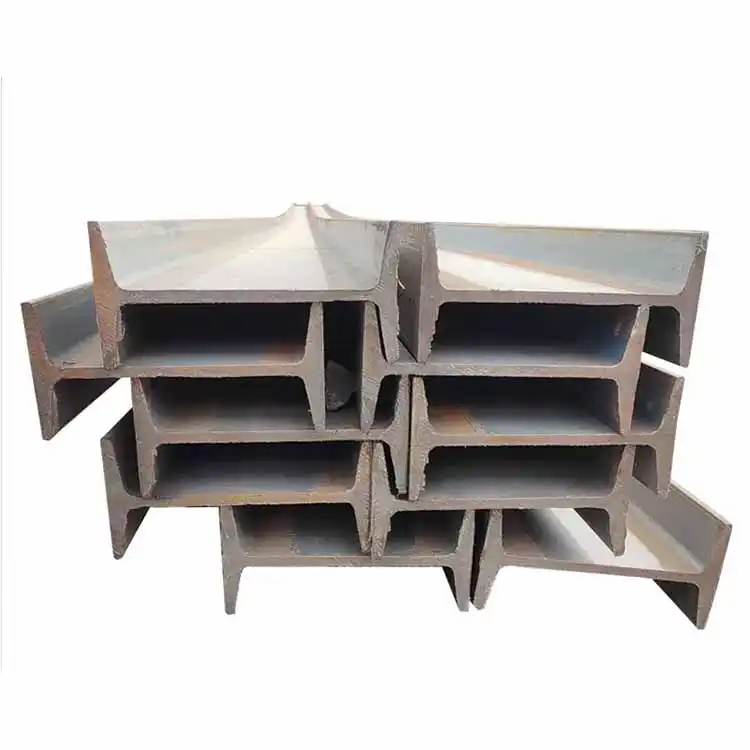
There are many specifications for carbon steel I-beams, including the height, thickness, waist width and waist thickness of the I-beam. The dimensional deviation of carbon steel I-beams should comply with national standards and be calculated using professional formulas.
VIEW MORE +
CONTACT US
Tel : +8615315550509
E-mail : sales06@xyfmetal.com
WhatApp : +8615315550509
Add :Shandong Province, China


GET A FREE QUOTE
Copyright : Shandong Taigang Metal Products Sales Co., Ltd. SEO BUSINESS LICENSE
We use optional cookies to improve your experience on our website, including through social media connections and to serve personalized advertising based on your online activity. If you reject optional cookies, we will only use cookies that are necessary to provide you with the service.
